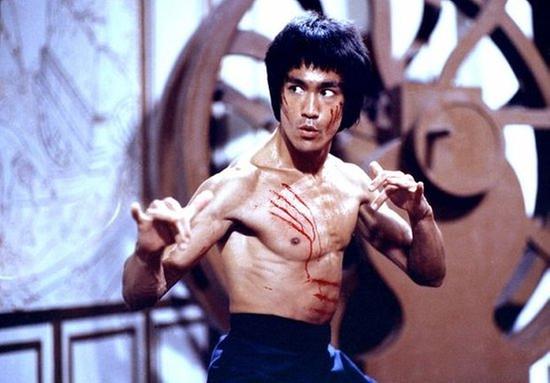
Bruce Lee
Introduction
Bruce Lee, born on Nov 27, 1940, is celebrated as a martial arts icon and a cinematic legend. Renowned for his martial arts prowess and artistic achievements, Lee popularized the term "kung fu," transforming it into a global symbol of Chinese culture. Despite his untimely death at the age of 32 on July 20, 1973, Lee's legacy continues to inspire millions worldwide through his unparalleled contributions to martial arts and film.
Early Life
Bruce Lee was born in San Francisco, California, during a period when his father, a Cantonese opera star, was on tour in the United States. Shortly after his birth, Lee's family returned to Hong Kong, where he was raised amidst the rich cultural tapestry of East and West. As a child, Lee faced many challenges, including frequent bullying due to his mixed-race background—a factor that later fueled his determination to master martial arts.
Family Background
Bruce Lee's family played a significant role in shaping his early life and aspirations. His father, Lee Hoi-chuen, was a respected Cantonese opera singer and actor, providing young Bruce with exposure to the performing arts from an early age. This environment nurtured Lee's interest in acting, which ultimately culminated in his illustrious film career. His mother, Grace Ho, hailed from a prominent Hong Kong family, further influencing Lee's upbringing and cultural identity.
Martial Arts Training
Bruce Lee's martial arts journey began in Hong Kong, where he initially learned the fundamentals of Wing Chun under the tutelage of the legendary Ip Man. His training in Wing Chun laid the foundation for his future martial arts philosophy and practices.
Wing Chun Training
Lee's introduction to Wing Chun marked a pivotal moment in his life. Under the guidance of Ip Man, he honed his skills in this traditional Chinese martial art. Wing Chun's emphasis on close-range combat and its practical approach to self-defense resonated with Lee, who integrated its principles into his unique style.
Other Influences
Beyond Wing Chun, Bruce Lee explored various martial arts styles, seeking to expand his repertoire and break free from conventional techniques. Influences such as Western boxing, fencing, and Judo shaped his innovative approach to martial arts, ultimately leading to the creation of his philosophy, Jeet Kune Do.
Acting Career
Bruce Lee's foray into the world of acting began at a young age, capitalizing on the cinematic connections of his family. He appeared in several Hong Kong films as a child actor, showcasing his natural talent and charisma.
Early Roles
Lee's early acting career was marked by roles in Hong Kong films, where he often portrayed rebellious characters. These performances laid the groundwork for his eventual transition to Hollywood, where he sought to challenge stereotypes and portray Asian characters in a more dynamic light.
Breakthrough in Hollywood
Bruce Lee's breakthrough in Hollywood came with his role in the television series The Green Hornet, where he played Kato, the sidekick to the titular hero. This role introduced Lee's martial arts prowess to a broader audience and set the stage for his subsequent success in Hollywood.
Philosophy and Martial Art Contributions
Bruce Lee's contributions to martial arts extended beyond his physical prowess, encompassing a profound philosophical outlook on life and combat.
Jeet Kune Do
Jeet Kune Do, translated as The Way of the Intercepting Fist, is Bruce Lee's martial arts philosophy. It emphasizes adaptability, efficiency, and directness, encouraging practitioners to "be like water" and flow with the circumstances of combat. Jeet Kune Do challenged traditional martial arts conventions, advocating for a more liberated and personalized approach.
Influence on Martial Arts
Bruce Lee's influence on martial arts is immeasurable. By advocating for the integration of diverse martial arts styles, he laid the groundwork for contemporary disciplines such as Mixed Martial Arts (MMA). His teachings transcended physical combat, inspiring countless individuals to adopt his holistic philosophy in various aspects of life.
Filmography
Bruce Lee's filmography includes iconic works such as The Big Boss, Fist of Fury, Way of the Dragon, Enter the Dragon, and Game of Death. Each film showcases his exceptional martial arts skills and charismatic screen presence, cementing his status as a global icon.
Bibliography
Bruce Lee's written works include The Tao of Jeet Kune Do, a comprehensive guide to his martial arts philosophy, and various articles and notes that explore the intersection of martial arts, philosophy, and personal development.
Awards and Recognition
Throughout his career, Bruce Lee received numerous accolades for his contributions to martial arts and cinema. Posthumously, he has been honored with awards and commemorations that celebrate his enduring influence on global culture.
Cultural Impact
Bruce Lee's impact on culture is profound and far-reaching, transcending geographic and cultural boundaries.
In the United States
In the United States, Bruce Lee broke through racial barriers, challenging stereotypes and paving the way for future generations of Asian actors in Hollywood. His portrayal of strong, empowered Asian characters inspired a shift in the representation of Asian culture in mainstream media.
Worldwide Influence
Globally, Bruce Lee's influence extends beyond the realm of martial arts and cinema. He inspired a cultural movement that celebrated martial arts as both a physical discipline and a philosophical way of life. His legacy continues to resonate with fans across the world, solidifying his status as an enduring cultural icon.








